
How Dental Equipment Maintenance Visits Keep Practices Running Smoothly
Running a dental office smoothly depends on reliable equipment. Every chair, compressor, handpiece, and sterilizer contributes to a seamless patient experience. Dental equipment maintenance visits ensure these machines perform at their best, preventing surprises that can disrupt schedules. Consistent attention keeps offices productive, staff confident, and patients satisfied.
Why Dental Equipment Maintenance Visits Matter
Dental equipment is an investment, and like any investment, it requires regular care. Maintenance visits catch small issues before they escalate into costly breakdowns. For example, a compressor showing early signs of wear can be serviced before it halts treatment across multiple operatories. Similarly, sterilizers benefit from inspection and calibration, reducing the risk of interrupted procedures.
When we conduct dental equipment maintenance visits, we focus on both immediate performance and long-term reliability. Machines that receive scheduled attention consistently outperform those addressed only when they fail.
What Happens During Maintenance Visits
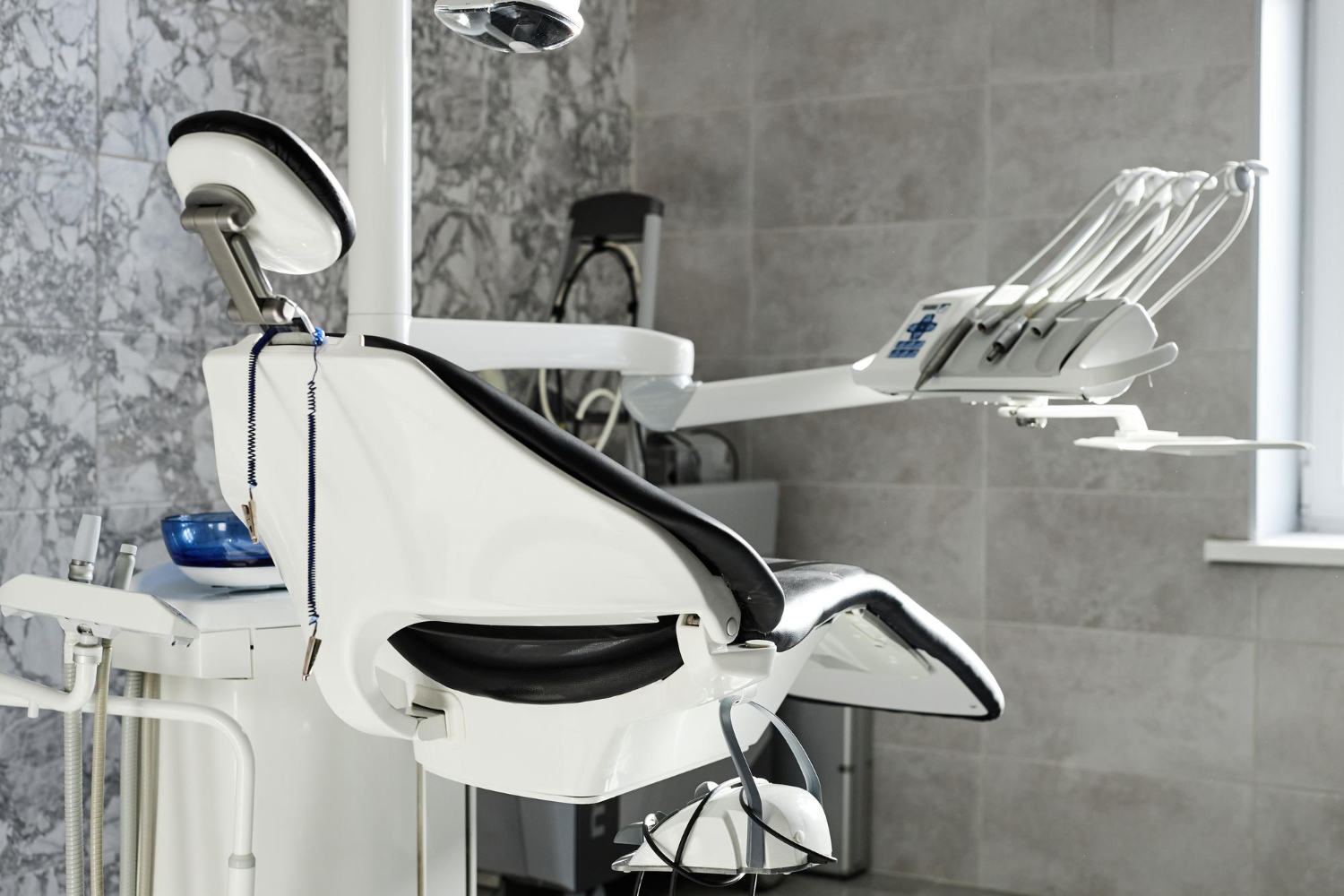
During a typical visit, technicians inspect all critical systems, clean components, replace worn parts, and perform operational tests. Lubrication, filter replacements, and calibration checks are standard. Handpieces are often disassembled, cleaned, and tested for optimal torque and speed, while sterilizers undergo pressure, temperature, and cycle verification.
Tracking these activities allows us to prevent recurring issues. We maintain detailed records of each visit, which help identify patterns and anticipate future service needs. For offices managing multiple operatories, this documentation is invaluable.
Reducing Unplanned Downtime
Unexpected equipment failures create chaos in a dental practice. Missed appointments, frustrated patients, and staff scrambling for alternatives are all common when machines break down. Regular maintenance visits reduce unplanned downtime by addressing minor problems before they become emergencies.
For multi-location practices, coordinating visits ensures consistency. Every site receives the same attention, with parts replaced as needed and functionality verified. Staff can focus on patient care rather than troubleshooting, which improves morale and efficiency.
Cost Benefits of Regular Maintenance
While maintenance visits carry a cost, they are often far less expensive than emergency repairs. Replacing a failed compressor or sterilizer under urgent conditions can exceed the total annual expense of scheduled servicing.
We help practices track equipment history through a centralized system. By analyzing past repair records alongside maintenance schedules, offices can budget for parts, labor, and potential upgrades in a controlled, predictable way.
How to Schedule Effective Maintenance Visits
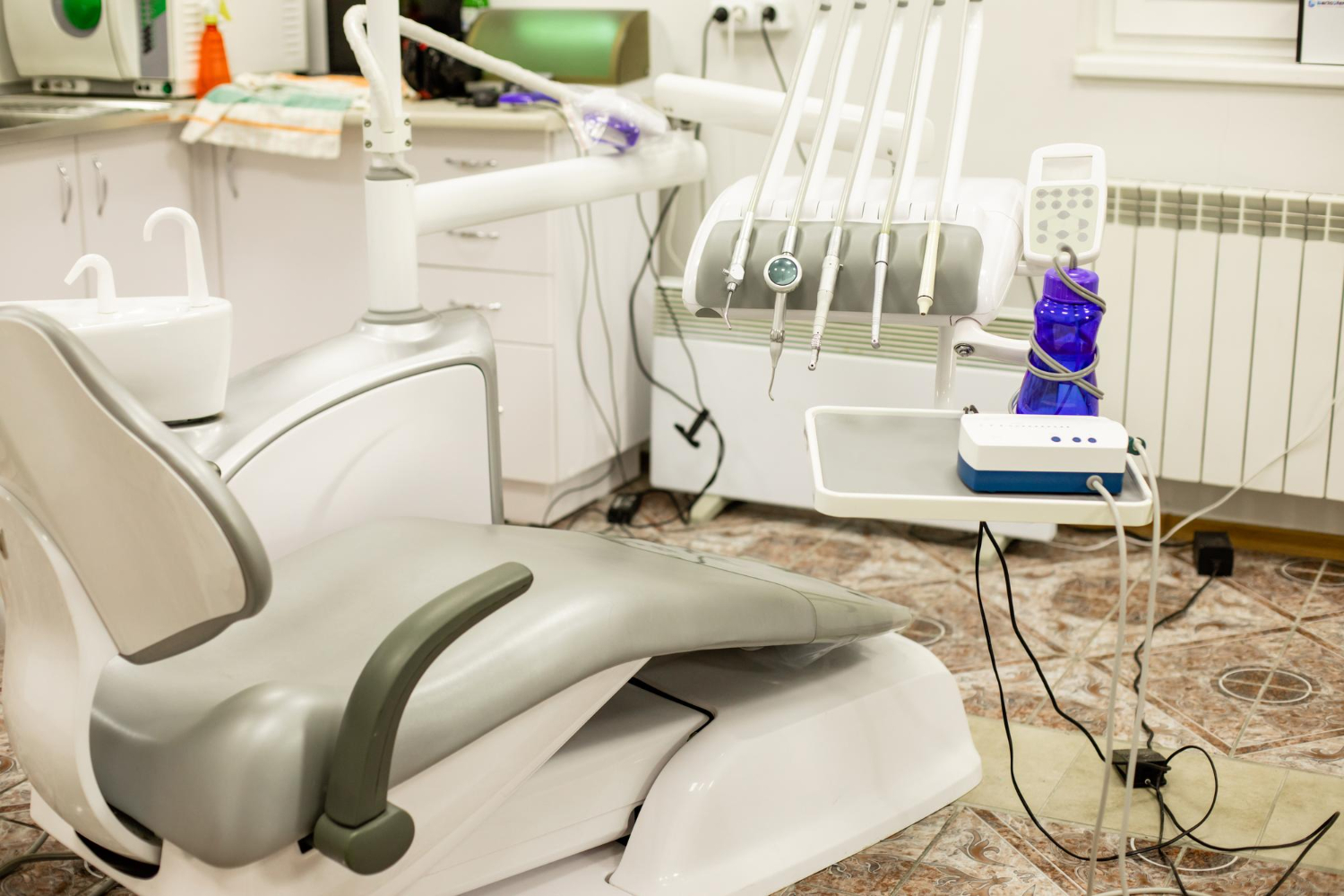
Effective maintenance depends on a planned schedule tailored to the office’s equipment inventory. High-use items may require more frequent attention, while less critical machines benefit from standard quarterly or semi-annual visits.
Our get started portal allows offices to create and manage maintenance schedules, assign priorities, and track completed work. This level of organization ensures no machine is overlooked, and each visit is meaningful rather than routine.
Staff Training During Maintenance Visits
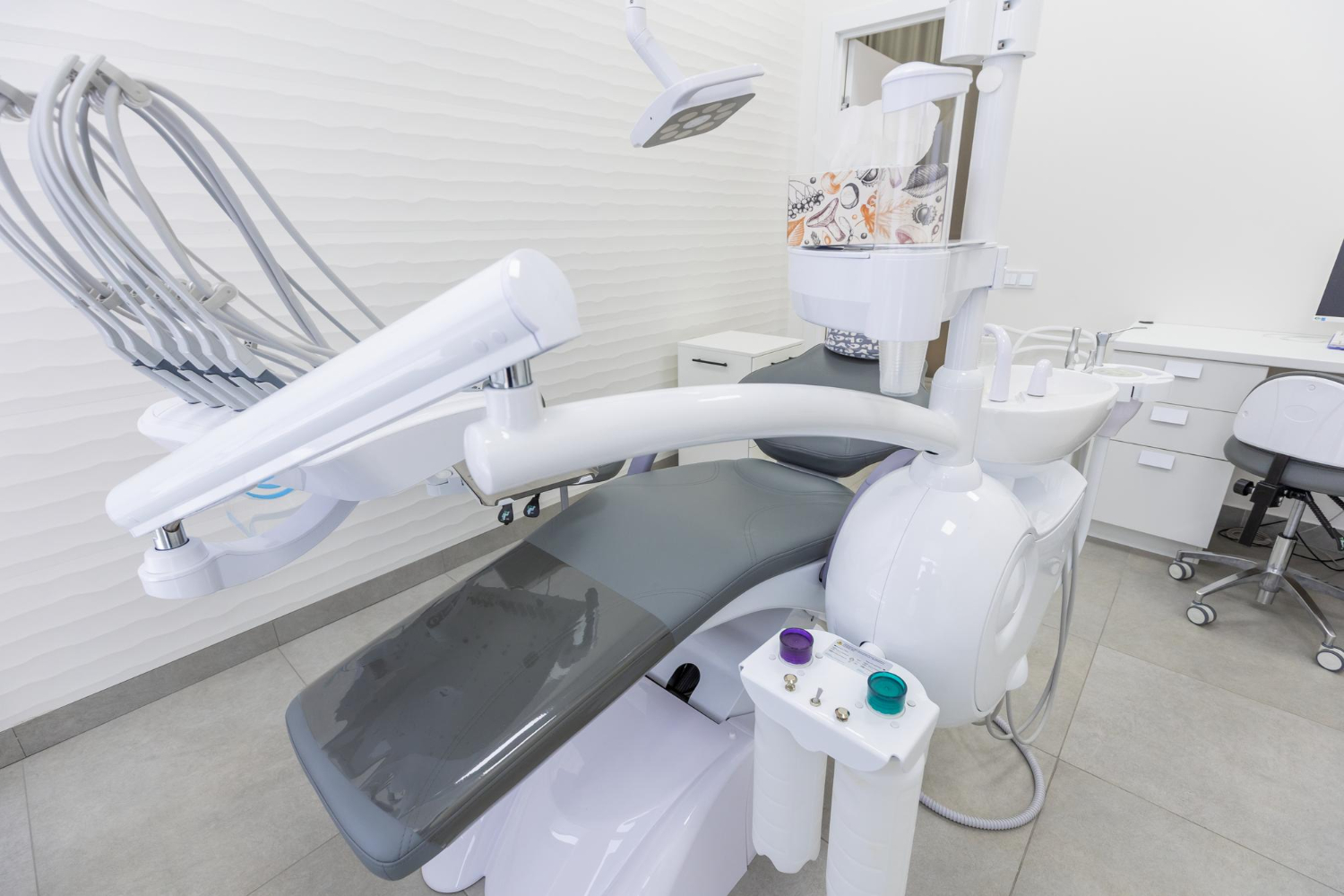
Maintenance visits also provide an opportunity to educate staff. Technicians demonstrate proper use, cleaning procedures, and minor troubleshooting steps. When staff understand basic upkeep, the likelihood of misuse or neglect decreases, extending the life of equipment and reducing recurring repairs.
We integrate training into each visit, offering tips tailored to the specific machines and workflow of each office. This creates a culture of care, where everyone participates in maintaining performance.
Identifying Hidden Problems
Some issues aren’t immediately obvious. A handpiece may seem fine under light use but vibrate excessively under full load. A vacuum may operate but fail to achieve proper suction over time. Maintenance visits uncover these hidden problems before they impact patient care.
Our technicians use diagnostic tools and experience to identify these subtle signs. Every discovery is logged and addressed, reducing the chances of surprise downtime and recurring service calls.
Streamlining Multi-Office Maintenance
For dental groups or DSOs, maintenance visits can be coordinated across locations to optimize technician travel and parts usage. This approach reduces cost per visit and ensures consistent service standards.
A centralized equipment inventory and service log allow administrators to see maintenance history across the network. This visibility helps identify trends and anticipate potential issues before they escalate.

Integrating Preventative Maintenance
Maintenance visits are most effective when paired with a preventative strategy. A structured preventative maintenance checklist identifies tasks to be performed at each visit, ensuring that inspections, cleaning, calibration, and minor repairs are completed systematically.
By adhering to this checklist, offices can reduce recurring failures, extend the lifespan of their machines, and maintain consistent treatment quality. It also helps in planning inventory needs for parts and supplies.
The Role of Technology in Maintenance Visits
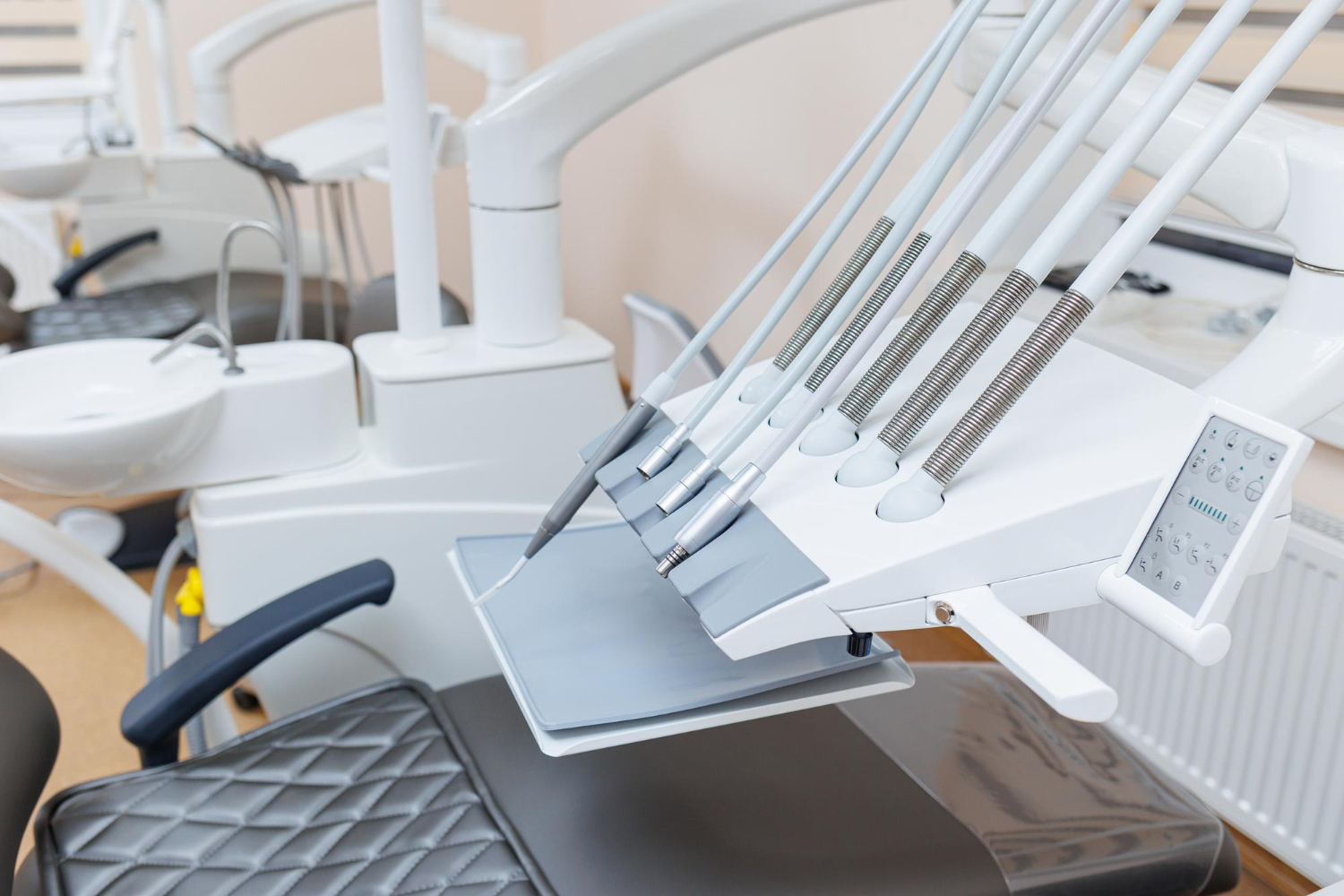
Modern dental service platforms allow real-time tracking of visits, repairs, and recommendations. Technicians can log completed tasks, note observations, and schedule follow-ups. Staff can access service records instantly, improving communication and accountability.
We ensure that each maintenance visit contributes to a broader database of information, helping offices make informed decisions about equipment replacement, upgrades, and operational adjustments.
Building a Culture Around Maintenance
Regular dental equipment maintenance visits reinforce the idea that equipment reliability is a shared responsibility. Staff engagement, consistent inspections, and proactive problem-solving create a work environment where disruptions are minimized.
Technicians and staff collaborate during each visit to identify risks, review proper usage, and implement improvements. This proactive approach transforms maintenance from a reactive chore into an operational advantage.
Preparing for Emergencies
Even with consistent maintenance, emergencies can happen. However, routine visits minimize their likelihood. Detailed logs allow technicians to arrive prepared, with the right parts and knowledge to resolve issues quickly.
Our contact page ensures offices can reach technicians promptly, reducing downtime and patient disruption. Integrating emergency readiness into regular visits ensures preparedness without adding unnecessary stress.
Continuous Improvement Through Maintenance Data
Every dental equipment maintenance visit generates data that can inform future strategies. Trends in part wear, failure patterns, and usage intensity help practices refine maintenance schedules. Over time, this reduces unplanned downtime and improves operational efficiency.
We work with offices to analyze this data, optimize schedules, and align equipment care with daily practice needs. The result is reliable, predictable operations and extended equipment life.
Keep Equipment Reliable and Patients Happy
Tekagogo makes dental equipment maintenance visits simple, organized, and effective. Schedule your next visit today and ensure your practice runs without interruptions.