
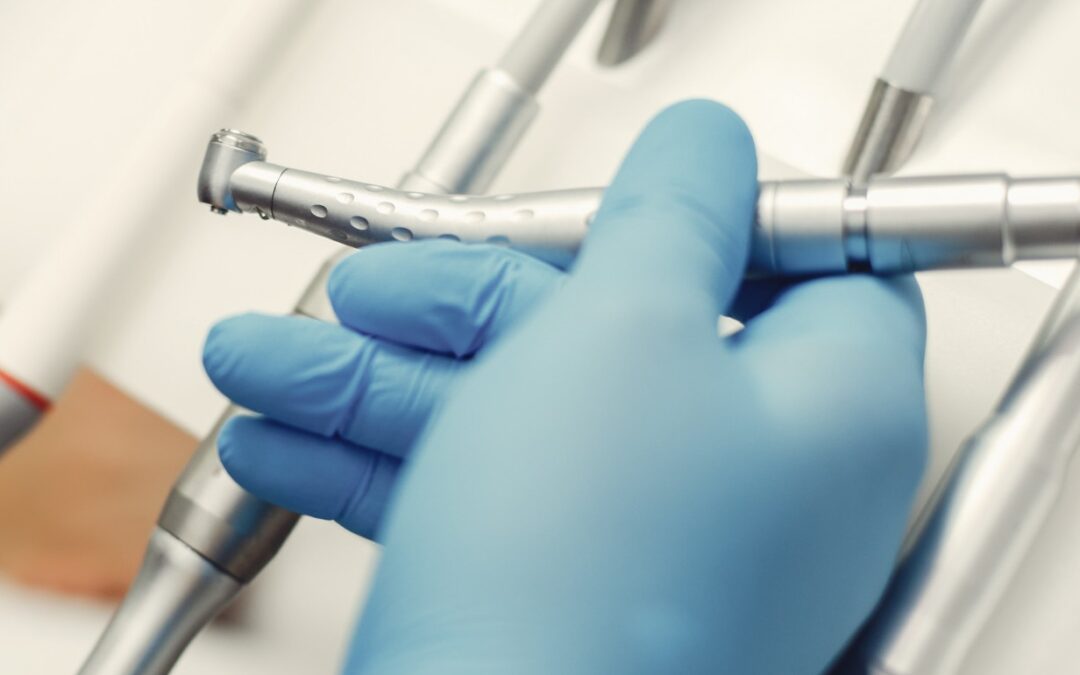
Dental offices rely on precision equipment to keep operations running smoothly. Air quality, temperature, humidity, and general workspace conditions all influence the lifespan of compressors, sterilizers, and handpieces. Recognizing how these factors affect performance can guide maintenance practices and extend the life of critical machines. Understanding the role of the environment in dental equipment longevity and maintenance is essential for any office that wants to stay productive and efficient.
Environmental Factors and Equipment Performance
Temperature and humidity are key influencers of dental equipment performance. Excessive heat can degrade lubricants, warp delicate components, and strain motors in compressors or handpieces. High humidity may accelerate corrosion, affect electrical contacts, and increase the risk of mold growth inside sterilizers. In contrast, overly dry environments can dry out seals, gaskets, and tubing, leading to leaks or cracks. These conditions create a ripple effect, making routine dental equipment maintenance visits more crucial to catch early wear.
Air quality in treatment rooms also plays a critical role. Dust, aerosolized particles, and chemical residues from cleaning solutions can settle on sensitive components, reducing operational efficiency. Filtration systems and regular cleaning help mitigate this, but even small accumulations can affect dental equipment longevity and maintenance. Machines exposed to poor air circulation or heavy particulates tend to require service more often, creating unnecessary downtime and cost.
Power Supply and Electrical Considerations
Stable power is often overlooked, but it significantly impacts dental equipment longevity and maintenance. Voltage fluctuations, surges, and inconsistent supply can damage motors, circuit boards, and sensors. Equipment designed for continuous operation, such as suction units and compressors, may burn out prematurely if electricity is unstable. Surge protectors, UPS systems, and properly grounded outlets are critical in maintaining equipment function and ensuring that maintenance intervals remain predictable.
Electrical interruptions also complicate service schedules. For example, a handpiece motor affected by frequent surges may need more frequent calibration, affecting long-term reliability. By monitoring and controlling electrical conditions, offices create a foundation for predictable preventative maintenance routines.
Room Layout and Equipment Placement
Where machines are placed in a treatment room or lab affects their lifespan. Compressors and vacuum units require adequate ventilation to prevent overheating. Sterilizers function best when positioned on stable, vibration-free surfaces. Cords and tubing must be arranged to avoid kinks or stress points that can lead to leaks or electrical issues.
Poor placement can indirectly increase the frequency of maintenance visits. A unit pressed against a wall may overheat more quickly, while a handpiece frequently dropped from awkward storage positions will wear faster. Planning placement with airflow, access, and operational comfort in mind preserves function and reduces maintenance demands.
Usage Patterns and Environmental Stress
High-volume offices subject equipment to more intense environmental stress. Extended operation raises internal temperatures and accelerates wear, particularly if machines operate in warm or poorly ventilated areas. Meanwhile, low-volume practices may experience similar risks if equipment remains idle in humid or dusty conditions, allowing corrosion and residue buildup.
A customized preventative maintenance calendar can help align service visits with usage patterns, ensuring machines receive care that accounts for both volume and environmental exposure. This synchronization helps maintain consistent performance across all equipment, reducing unexpected failures and repair costs.
Chemical Exposure and Cleaning Practices
Cleaning and disinfecting are essential for patient safety, but chemical residues can affect equipment longevity. Sterilizers, handpieces, and suction lines are vulnerable to degradation from repeated exposure to harsh disinfectants or improper cleaning agents. Concentrated solutions may damage gaskets, seals, and metal surfaces, while improper rinsing leaves residue that accelerates corrosion.
Balancing disinfection with careful attention to manufacturer guidelines is a critical component of dental equipment longevity and maintenance. Staff training and documentation help prevent misuse and reduce unnecessary service calls. A contact page can provide quick access to support when chemical effects require expert intervention.
Water Quality and Its Effects
Water quality directly impacts devices that rely on internal fluid systems, such as autoclaves, ultrasonic cleaners, and dental chairs. Hard water can leave mineral deposits, clogging lines, valves, and nozzles. Sediment and impurities may accumulate inside reservoirs, forcing technicians to perform more frequent maintenance or risk equipment failure.
Installing proper filtration and monitoring water hardness ensures equipment operates smoothly. Regular inspection and preventative maintenance mitigate long-term damage, extending the service life of water-dependent machines. This approach reinforces the connection between environmental management and dental equipment longevity and maintenance.
Climate Control Strategies
Proactive climate control can dramatically affect equipment performance. Consistent temperature and humidity reduce stress on mechanical and electronic components. Air conditioning, dehumidifiers, and proper ventilation help maintain optimal conditions for all machines.
Temperature extremes, in contrast, accelerate lubricant breakdown, reduce motor efficiency, and compromise electrical insulation. By integrating these considerations into daily operations, offices create conditions that naturally extend the lifespan of equipment and reduce maintenance frequency.
Scheduling Maintenance Around Environmental Risks
Environmental awareness is most effective when paired with structured service schedules. High-risk conditions, such as areas with fluctuating humidity or frequent electrical surges, warrant more frequent dental equipment maintenance visits.
Technicians can adjust inspection routines based on environmental exposure. For instance, a sterilizer in a humid room may receive additional internal cleaning, while compressors in warm, ventilated areas might require less frequent checks. Aligning maintenance with environmental factors optimizes longevity and ensures reliability across all equipment.
Documentation and Monitoring
Monitoring environmental conditions and logging equipment performance is vital. Temperature, humidity, air quality, and water quality data allow administrators and technicians to make informed decisions about maintenance schedules.
Recording these metrics alongside service history supports predictive maintenance, helping offices identify emerging issues before they escalate into major repairs. By correlating environmental conditions with repair frequency, teams gain insight into patterns that affect dental equipment longevity and maintenance. A dedicated portal allows easy tracking and analysis across all locations.
Staff Training and Awareness
Even minor lapses in handling or environmental control can impact dental equipment longevity. Staff should understand the connection between room conditions, cleaning practices, and machine performance.
Training programs should cover proper storage, ventilation, and cleaning procedures, reinforcing the importance of environmental care. When staff actively support equipment upkeep, service calls decrease, and machines operate closer to their full potential for longer periods.
Integrating Technology Solutions
Technology aids in mitigating environmental risks. Monitoring systems for temperature, humidity, and air quality provide real-time alerts for conditions that could stress equipment. Cloud-based maintenance software integrates these alerts into scheduling, ensuring that technicians address issues promptly.
A get started page can help offices implement these solutions, connecting environmental monitoring with structured preventative maintenance to maximize equipment performance and longevity.
Strategic Equipment Placement
Strategic placement of machines within treatment rooms and storage areas supports longevity. Ensuring equipment is off the floor, away from windows or heat sources, and with adequate airflow reduces exposure to damaging conditions.
Routine inspections can verify that placement strategies remain effective, especially as office layouts change or new machines are added. Integrating placement considerations into maintenance plans enhances both efficiency and lifespan.
Planning for Long-Term Performance
Ultimately, understanding how environmental factors affect dental equipment longevity and maintenance empowers offices to act proactively. From temperature and humidity control to water quality and chemical exposure, each factor contributes to the cumulative wear and service needs of equipment.
A structured program, combined with vigilant environmental management, minimizes downtime and repair costs. This approach allows practices to maintain operational efficiency, deliver consistent patient care, and extend the life of their investments.
Protect Your Dental Equipment With Expert Care
Tekagogo helps dental offices optimize dental equipment longevity and maintenance through targeted service schedules and environmental monitoring. Reach out today to safeguard your practice.