
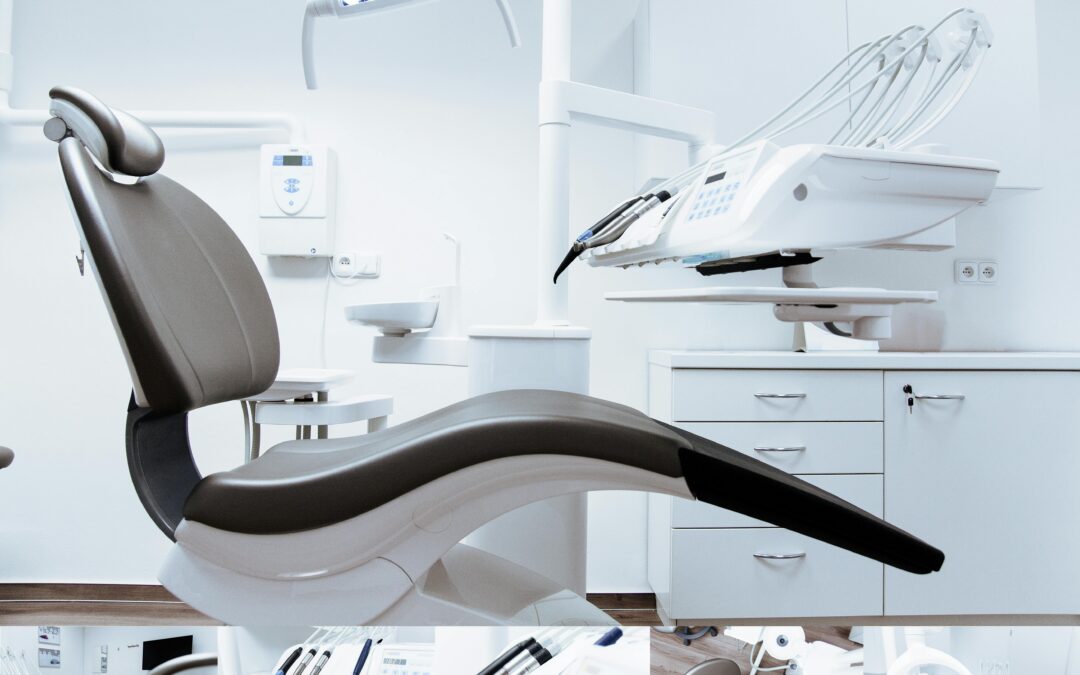
A sterilizer rarely fails without giving a few hints first. Most of those hints show up during busy days, when no one has time to stop and think about what the machine is trying to say. When a dental sterilizer needs service, it often whispers before it shouts. Paying attention early keeps patient care steady and staff from scrambling.
5 Signs a Dental Sterilizer Needs Service
Timing
One of the first signs something is off is timing. Cycles that run longer than usual or feel inconsistent from load to load can point to wear that needs attention. Staff might brush it off at first, blaming a heavy tray or a rushed setup, but patterns matter.
A dental sterilizer needs service when small delays start stacking up. Those extra minutes turn into backed-up schedules, stressed assistants, and awkward conversations at the front desk. Catching timing changes early keeps those ripple effects from spreading.
Subtle Performance Changes Staff Notice First
Assistants are often the first to sense trouble. They know how the machine sounds, how warm it feels, and how it behaves during a normal day. When that familiar rhythm changes, it raises eyebrows.
You might hear comments like, “It sounds different today,” or “This one feels off.” Those gut checks come from experience. When a dental sterilizer needs service, it often shows through these small shifts before alarms ever appear.
Load Results That Do Not Feel Right
Another sign comes from how instruments look and feel after a cycle. Moist packs, odd residue, or inconsistent drying point toward internal issues that should not be ignored. Even if indicators pass, staff confidence can drop when results feel unreliable.
A dental sterilizer needs service once trust starts slipping. Sterilization is not the place for doubt. If your team hesitates before unloading trays, it is time to schedule a closer look.
Warning Lights and Error Messages
This one sounds obvious, yet it is often delayed. Warning lights or intermittent error codes appear, disappear, then return a week later. Offices get busy and reset the system, hoping it resolves itself.
When alerts repeat, the message is simple. A dental sterilizer needs service, not another restart. Addressing it early keeps a minor issue from turning into a full shutdown during patient hours.
Maintenance Gaps That Catch Up Later
Sterilizers run hard. Over time, skipped upkeep shows up through uneven performance. Mineral buildup, worn seals, and aging components do not fix themselves.
We see many offices reach out after months of small issues because the machine finally stops cooperating. That moment usually comes at the worst possible time. Preventative care exists to avoid that scenario and keep systems steady instead of reactive.
How Preventative Maintenance Supports Sterilizers
Preventative Maintenance Programs give structure to care that might otherwise slide down the priority list. Our program includes scheduled visits that focus on sterilizers along with compressors, vacuums, and amalgam separators. Visits happen on a quarterly or semi-annual cadence, with all appointments visible in advance.
A dental sterilizer needs service far less often when routine care stays on track. Maintenance visits help spot wear early, replace parts on schedule, and keep cycles consistent day after day. Offices enrolled also benefit from a reduced hourly rate tied to the program, which helps with budgeting when service is required.
For teams curious about how this fits into daily operations, our preventative maintenance overview lays out how visits and records stay organized inside the platform.
Communication Makes a Difference During Service
Service runs smoother when everyone stays in the loop. When offices submit work orders through the desktop platform and turn on SMS and email notifications, updates arrive in real time. That makes it easier to adjust schedules or add notes without confusion.
When a dental sterilizer needs service, timing matters. Quick responses and clear updates keep downtime short and staff informed. Communication stays inside the software chat, which helps offices avoid chasing updates across emails or texts.
Common Scenarios That Signal Trouble
Many service calls start with familiar stories from the field. A few patterns come up again and again.
- Cycles finishing but drying unevenly
- A unit taking longer to reach temperature
- Repeated alerts that clear and then return
- Staff losing confidence in cycle results
These moments do not always stop work right away, but they signal that attention is overdue. Addressing them early protects both schedules and peace of mind.
Family Practices Feel Sterilizer Issues Fast
In smaller offices, a single sterilizer carries a lot of weight. When it slows down or stops, everything does. Patients wait, rooms turn over slowly, and stress climbs fast.
A dental sterilizer needs service hits family practices especially hard because there is little backup. Scheduling service through the platform helps these offices get ahead of problems and keep care moving without constant worry. Records stay stored in perpetuity, so teams can look back and see what has been done over time.
For dentists working day to day in these settings, our dentists page shows how repairs, maintenance, and communication stay centralized in one place.
DSOs and Sterilizer Oversight
Multi-location organizations face a different challenge. One sterilizer issue might seem minor until it appears across several clinics. Without shared visibility, patterns remain hidden.
Our system keeps service history for each office stored in the cloud. Corporate teams can review how often a sterilizer has needed attention and decide when repair no longer makes sense. While DSOs currently view data one office at a time, that visibility still supports smarter planning and steadier operations.
Favorite Tek and Consistency
Many offices prefer familiar faces. When teams work with the same technician, visits move faster and trust builds. The Favorite Tek feature allows offices to book technicians they know directly through the dashboard.
When a dental sterilizer needs service, familiarity helps. A Tek who knows your setup can spot issues quickly and keep visits efficient. Offices save time, and staff feel more comfortable during service days.
Scheduling Service Before Failure
The best time to schedule service is before failure stops patient care. Offices log into the desktop platform, enter a work order, and select dates that fit their schedule. Appointments show up alongside other visits, creating a clear view of what is coming.
Getting started does not require a long process. Teams can enroll and begin tracking service history through our get started page, keeping everything organized from day one.
The Cost of Waiting Too Long
Waiting often feels easier in the moment. Schedules are full, patients are waiting, and the sterilizer still works most of the time. That delay can turn a manageable service visit into an emergency repair.
When a dental sterilizer needs service, acting early saves time, stress, and money. Offices avoid sudden downtime and keep patient care flowing without interruption.
Keeping Sterilizers Reliable Over Time
Reliability grows from habits. Regular maintenance, quick responses to warning signs, and organized records all support long-term performance. Sterilizers treated this way tend to last longer and behave more predictably.
We help offices build those habits through software that keeps service visible and simple. When issues arise, teams know where to go and what to do next.
Stay Ahead of Sterilizer Trouble
Sterilizers should support your day, not disrupt it. We help offices schedule service, track history, and stay prepared when issues pop up. Reach out through our contact page to keep your sterilizer working the way it should.